Happy Friday, and welcome to Food Fix. This is the 392nd edition of this newsletter. Thanks for being here!
Hey NYC! Forked is hosting a live podcast taping at the Brooklyn Museum with special guest Tom Colicchio on Nov. 4. We’ll talk about the restaurant biz, Colicchio’s experience lobbying on food issues, the MAHA movement and, of course, the midterm elections. Get your tickets.
Don’t miss out: The best way to make sure you don’t miss a beat in food policy is to upgrade to a paid subscription and get Food Fix in your inbox twice per week. Almost everyone who upgrades finds it valuable. This week, I wrote about the top midterm races I’m watching and why they could impact the future of food policy. Upgrade today.
As always, I welcome your feedback. Send me your thoughts by replying to this email, or drop me a line: helena@foodfix.co.
Alright, let’s get to it –
Helena
***
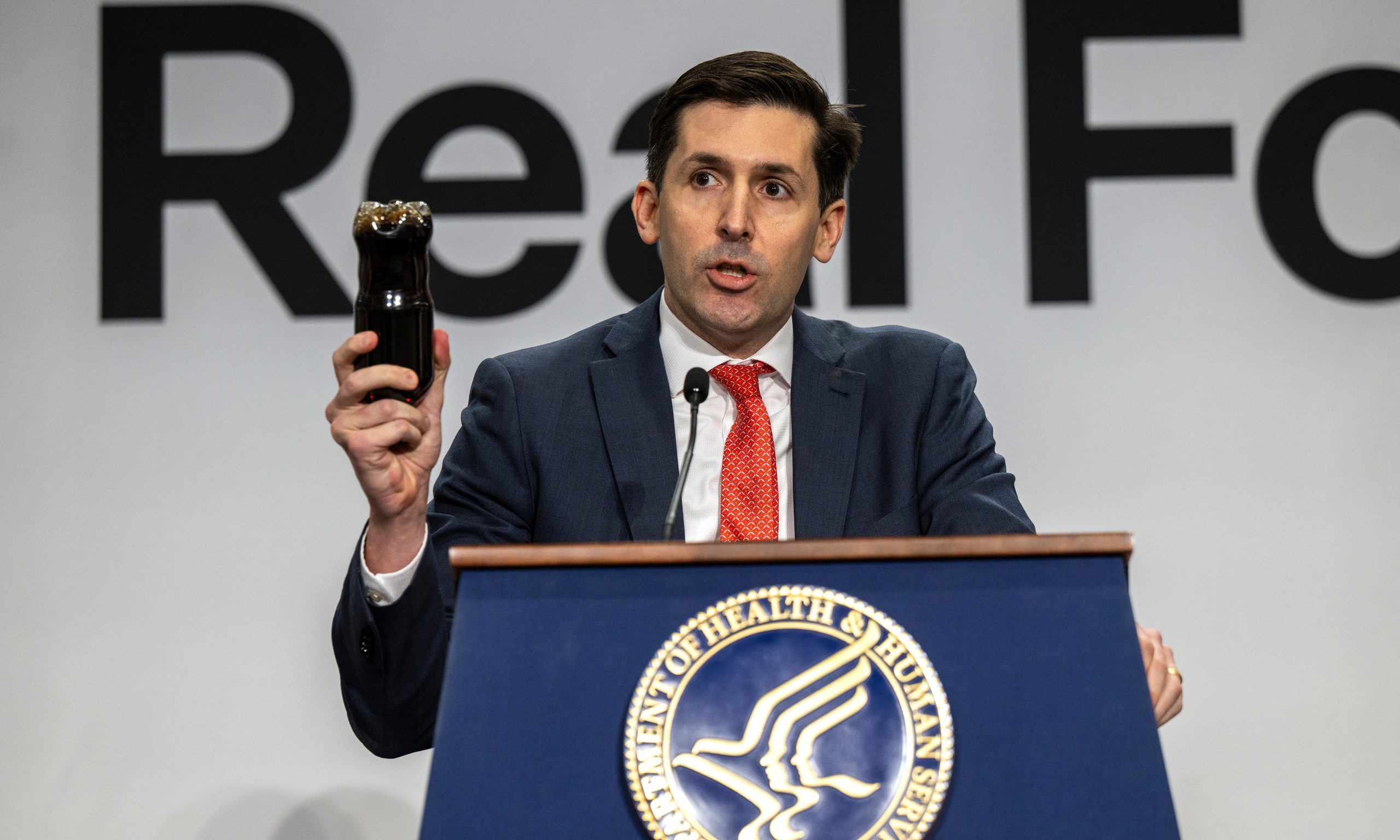
How Washington is reacting to Calley Means’ resignation
On Thursday, news of Calley Means’ resignation as a top advisor to HHS Secretary Robert F. Kennedy Jr. travelled quickly.
The Wall Street Journal’s Liz Essley Whyte broke the news, which Means then confirmed with a post on X.
“I am resigning from the White House with tremendous respect for President Trump and Bobby Kennedy,” Means wrote. “They laid out a vision of combatting the entrenched, dark forces in DC that profit from Americans getting sick.”
“More policy and cultural change has happened around these goals in the past 2 years than any time in history – and I know this movement is just getting started,” Means added.
Means is widely considered one of the most influential leaders in the MAHA movement. He’s credited with helping broker the MAGA-MAHA alliance that helped propel Trump to a second term. His sister, Casey Means, is also a key MAHA figure and was previously Trump’s pick to be Surgeon General before the nomination was scuttled due to a lack of support in the Senate.
Means’ exit comes after a long string of Trump administration decisions that have absolutely infuriated MAHA, on issues ranging from pesticides to pollution. In many ways, MAHA’s ambitions have slammed into the deregulatory impulses of this administration — a collision that was all but inevitable. A recent scorecard put together by former Kennedy campaign staffers concluded that the Trump administration had broken more than 85 percent of its MAHA promises.
Agriculture Secretary Brooke Rollins was asked about Means leaving on Thursday and told reporters: “Calley Means and I did not agree on everything, but he was a really great partner for us at USDA, a great partner for Secretary Kennedy.”
President Donald Trump was also asked about Means on Thursday — who previously served as a White House advisor — and whether his resignation meant that MAHA was dead. Trump replied: “Don’t know him very well at all.”
Why now? Means sudden departure is big news — and especially so just two weeks before the midterms — but he had reportedly grown increasingly frustrated with the lack of progress on key MAHA agenda items. As I’ve previously reported, food and agriculture interests have been appealing directly to White House Chief of Staff Susie Wiles to run interference on an HHS-led effort to define ultra-processed foods (UPFs) for the first time. It’s not a regulation (it’s a white paper), but food makers are worried that a definition from the feds of any kind could help plaintiffs’ attorneys (and attorneys general) come after the food industry for diet-related disease harms.
The UPF definition was first expected to come out in August, but industry opposition scuttled that plan. For weeks, it has seemed like the entire effort was dying on the vine amid massive industry opposition. Politico reported last week that Kennedy and his allies were making another push to try to get the definition out before the midterms. That did not work. This week, the White House reportedly postponed a key meeting about the UPF definition, and this delay appears to be what pushed Means to finally jump ship.
Outside push: The unsuccessful push to spring the UPF definition from White House Office of Management and Budget (OMB), where it’s been under review since August, comes as a large coalition of outside nutrition researchers is also urging the administration to move ahead. The Food is Medicine Institute at Tufts University is scheduled to meet with OMB this afternoon and will present a letter to the White House that was signed by more than 100 researchers.
“As science, medical, and nutrition experts from across the country who study food, nutrition, and health, we, speaking in our personal capacities, urge you to release the proposed federal definition of ultra-processed food (UPF) as soon as possible.” reads the letter, led by Dariush Mozaffarian, director of the Food is Medicine Institute at Tufts University. “It is critical that special interests not hold up this process. Most Americans are aware of UPF and wish to avoid them, but deeper familiarity with UPF remains limited, signaling a need for guidance. The first step is releasing the proposed definition.”
Resignation reax: I saw a lot of rank-and-file MAHA supporters online suggesting that Means’ resignation is just further confirmation that Trump merely used MAHA to get elected in 2024. There’s so much discontent — and it’s fully out in the open at this point.
Plenty of food industry lobbyists around town were happy to see Means depart because it further slows down the already bogged-down MAHA agenda, but I didn’t see many folks comment on the record. Sean McBride, founder of DSM Strategic Communications, who works with the food industry, was an exception: “Frustration is what happens when your dubious-at-best agenda slams into reality, sound science and judges who can easily tell fact from fiction,” he said, via text.
Wall Street rally: While industry groups kept their powder dry on this, individual food company stocks reacted positively to news of Means’ resignation Thursday afternoon, which is truly wild.
“Shares in General Mills gained 8 percent, while Kraft Heinz shares closed up 6.7 percent. Campbell’s stock ended the session 8.7 percent higher, and Conagra rose 7.2 percent,” reported Jesse Newman at WSJ. For context, the S&P was down 1.2 percent for the day, so the rally here was substantial.
Looking ahead: Means late Thursday reacted to the news that food stocks had rallied. “This is a misread by the markets. Moms are not going to [settle] for their kids being poisoned for General Mills to gain 8 [percent] on their stock,” Means wrote. “This cultural movement has just started and we are not going back.”
***
What I’m reading
FDA proposes cadmium action levels for baby food, issues chemical hazards guidance (Quality Assurance & Food Safety). “The U.S. Food and Drug Administration (FDA) has proposed new action levels for cadmium in processed foods intended for babies and young children and released draft guidance to help food manufacturers identify and control chemical hazards,” reports Jacqueline Mitchell. “The actions are part of the FDA’s Closer to Zero initiative, which aims to reduce children’s dietary exposure to heavy metals, including arsenic, cadmium, lead and mercury. The proposed cadmium action levels are intended to help manufacturers reduce contamination in baby food products, while the new draft guidance provides recommendations for evaluating and controlling chemical hazards in human food, including through preventive controls and supply chain management.”
Rapper, influencer Shawty Dred indicted in SNAP investigation (Cox Media). “The Justice Department, the Department of Agriculture and the USDA Office of Inspector General announced a nationwide enforcement effort that targeted alleged fraud involving SNAP and related USDA programs,” reports Natalie Dreier. “Officials said the effort ran from Sept. 1 to Oct. 21 and led to action against more than 40 people in cases involving nearly $45 million in intended losses to the federal government. Nearly $42 million involved alleged SNAP benefits fraud, the Justice Department said in a news release. The Justice Department said 13 U.S. attorneys’ offices and the Utah Attorney General’s Office took part in what it called the department’s first National USDA Benefits and Program Fraud Enforcement Surge.”
Food access organizers see empty promises from MAHA (Civil Eats). “In March 2025, fresh off his confirmation as Health secretary, Robert F. Kennedy Jr. went to West Virginia, to celebrate the state’s MAHA agenda alongside the state’s Republican governor, Patrick Morrisey,” writes Rebekah Alvey. “He laid out a four-pillar plan to improve health outcomes in the state, including encouraging West Virginians to get out and walk more and implementing stronger work requirements for federal assistance programs to incentivize work. On the food side, Morrisey also signed one of the first state bans on food dyes in school meals, as well as a letter of intent to request a waiver from the federal government to ban soda purchases under the SNAP. A year and a half later, Caitlin Ware is unconvinced. Sitting inside the Sandyville United Methodist Church, where she’s a part-time pastor, Ware held up a bottle, swirling dirty, sediment-tainted water inside. ‘Can we ban this dye?’ Ware said most SNAP participants in the region use their benefits to purchase bottles of water. The conversations around MAHA in the state are focused on lifestyle changes, Ware said, but personal lifestyle shifts won’t overcome the infrastructure and institutional challenges.”
Why candy prices are scary high ahead of Halloween (FoodDive). “High cocoa and sugar prices are giving consumers a fright ahead of Halloween and prompting more food manufacturers to lean into salty snacks as an option for trick-or-treating,” reports Sarah Zimmerman. “Halloween candy prices are up over 15% in 2026, according to an analysis from Groundwork Collaborative and the Century Foundation, or four times higher than overall inflation. Increased prices could prompt consumers to cut down on treats this year, with a LendingTree survey finding that 35% of consumers shopping for the holiday plan to skip out on candy. Rising ingredient costs hit the confectionery industry hard, prompting many companies to raise prices at a time when consumers are already pulling back on spending due to widespread inflation. Approximately 65% of ingredient costs in the confectionery industry come from cocoa beans, sugar and corn syrup — all of which have faced supply shocks that have sent costs spiraling.”
FMI urges USDA to drop SNAP food restrictions (Grocery Dive). “The Food Industry Association is urging the USDA to reverse course on the food restriction waivers that the department wants to place on SNAP purchasing,” reports Catherine Douglas Moran. “In nearly identical public comments on the proposed SNAP pilots in Louisiana and Montana, the trade group said that the USDA does not have the required statutory authority to green light the restrictions. FMI also claimed that the pilots would burden retailers with new rules regarding which items are SNAP eligible. The comments from FMI come as the USDA attempts to revitalize its efforts to green light state-level SNAP purchasing restrictions as part of the MAHA movement.”
***
Why you should upgrade to a paid Food Fix subscription
Become a paid subscriber to unlock access to two newsletters each week, packed with insight, analysis and exclusive reporting on what’s happening in food, in Washington and beyond. You’ll also get full access to the Food Fix archive — a great way to get smart on all things food policy.
Expense it: Most paid subscribers expense their subscriptions through work. It’s worth asking!
Discounts: We also offer discounts for government, academia and students. See our subscription options. Individuals who participate in SNAP or other federal nutrition programs qualify for a free Food Fix subscription — just email info@foodfix.co.
Get the Friday newsletter: If someone forwarded you this email, sign yourself up for the free Friday edition of Food Fix. You can also follow Food Fix on X, Bluesky and LinkedIn.
See you again next week!